Strategies to avoid common pitfalls at casinos
Understanding the Psychology of Gambling
The psychology behind gambling is a crucial aspect that every player should understand. Casinos are designed to attract players and keep them engaged, often inducing a sense of thrill and urgency. This can lead to poor decision-making, particularly when players are caught up in the excitement of winning or the despair of losing. Recognizing these psychological triggers can empower players to make more rational decisions. For example, the concept of „loss aversion,“ where players feel the pain of losing more acutely than the pleasure of winning, can lead individuals to chase losses, particularly at places like payid australian casino , ultimately resulting in greater financial distress.
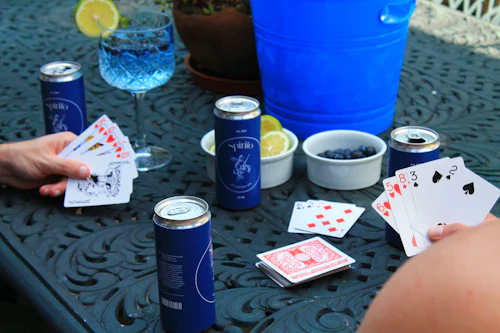
Another psychological factor is the illusion of control, which is prominent in games that involve an element of skill, such as poker. Players may believe they can influence the outcome through their decisions, leading to overconfidence and risky bets. Understanding that many games are based on chance can help individuals avoid falling into this trap. It’s essential to remain grounded in reality and to recognize that the house always has an edge. By knowing these psychological tendencies, players can better manage their emotions and expectations during their time at the casino.
Moreover, it is often easy to fall into the social aspect of casinos, where peer pressure can sway one’s judgments. Friends may encourage excessive spending or risky bets, which can lead to regrettable choices. Establishing a personal strategy that includes clear limits on time and money spent can act as a safeguard against impulsive behaviors triggered by social dynamics. By being aware of the psychological influences at play, players can formulate a more disciplined approach to gambling through careful reflection and the creation of personal boundaries.
Setting a Budget and Adhering to It
One of the most effective strategies to avoid common pitfalls at casinos is establishing a budget before stepping foot onto the gaming floor. This budget should encompass the total amount you are willing to spend without impacting your daily life or financial responsibilities. It’s crucial to allocate funds specifically for entertainment, ensuring that this does not interfere with necessities like bills or groceries. When the budget is defined, it’s much easier to enjoy the experience without the stress of potential financial repercussions.
Furthermore, upon creating a budget, it’s imperative to stick to it rigorously. Some players may feel the temptation to dip into funds reserved for other purposes, especially after a series of losses. A strong commitment to the original budget helps one to remain accountable. Techniques such as using cash instead of credit cards can further reinforce this discipline, as it provides a tangible sense of the money being spent. By making spending more visible, players may think twice before making another bet.
In addition to sticking to a budget, tracking expenditures during the visit is also beneficial. Keeping a record of wins and losses can provide insight into gambling patterns and highlight when adjustments need to be made. Many players overlook this essential aspect, only focusing on their wins during play. By maintaining a clear overview of gambling activities, individuals can make informed decisions about their future visits and can better understand their gambling habits, ultimately leading to a more enjoyable experience.
Choosing the Right Games Wisely
Another common pitfall in casinos is the tendency to jump into games without considering their complexity or the odds involved. Different casino games have varying returns to player percentages, and understanding these can significantly affect how long your budget lasts. For example, games like slots often have lower odds compared to table games such as blackjack or poker. Choosing games with higher payout rates can increase the likelihood of winning in the long run, allowing for a more sustainable experience.
Moreover, players should consider their personal skill levels when choosing games. For instance, poker requires a level of strategy and insight into opponents‘ behavior, while slot machines rely solely on luck. Players who are new to gambling may benefit from starting with simpler games or those with a lower house edge. This understanding can cultivate a sense of confidence and gradually enhance their skills, providing a more rewarding experience that aligns with their gaming proficiency.
Lastly, taking the time to learn about the rules and strategies of chosen games can make a significant difference in performance. Many casinos offer tutorials, free play, or lower-stakes tables to help new players gain experience without significant financial risk. Engaging in these opportunities can enhance understanding and improve skills, allowing players to make more educated decisions when they transition to higher-stakes settings. Ultimately, the choice of games should be tailored to personal preference, skill level, and an awareness of the odds involved to avoid common pitfalls effectively.
Recognizing When to Walk Away
Knowing when to walk away is perhaps one of the hardest yet most vital strategies for gamblers. The thrill of winning can often lead to a false sense of security, prompting players to continue betting in hopes of sustaining their winning streak. Establishing predetermined winning and losing thresholds is essential. If you reach a specific win that exceeds your original budget, it’s wise to cash out and enjoy your success rather than risking it all for the chance of more. Similarly, if losses reach a certain limit, it is time to step back before further financial damage occurs.
Additionally, taking breaks during play can aid in maintaining perspective. When immersed in the casino environment for extended periods, the excitement can cloud judgment, leading to decisions that do not reflect logical thinking. Regular breaks allow players to reset their mental state and evaluate their gambling behavior from a fresh standpoint. This practice can be especially beneficial after a loss, as it gives individuals time to reflect and regain composure before returning to the table or machine.
Ultimately, setting firm boundaries and sticking to them fosters a healthier approach to gambling. Whether that means taking a break, leaving the casino after a loss, or quitting while ahead, these actions safeguard against the emotional highs and lows that can accompany gambling. By regularly evaluating one’s feelings and the overall experience, players can learn to recognize emotional signs of distress and take proactive steps to maintain a balanced and enjoyable gambling experience.
Engaging with Responsible Gaming Resources
Many casinos provide resources and support for responsible gaming, which can be invaluable for players. This can include self-exclusion programs, where individuals can voluntarily restrict their access to gaming areas for a set time. Being aware of these resources is essential, especially for those who may find themselves on the verge of compulsive gambling behaviors. Engaging with these tools not only enhances personal accountability but also fosters a safer gaming environment.
Furthermore, casinos often provide educational materials about responsible gaming, including tips on budgeting, recognizing gambling problems, and seeking help when needed. These resources can serve as preventive measures that educate players about the potential risks associated with gambling. Learning to identify the signs of problematic gambling early can lead to timely action and support, making it critical for players to take advantage of these initiatives.
By participating in programs that promote responsible gaming, individuals not only protect their own well-being but also contribute to a healthier community. Encouraging friends and fellow gamblers to educate themselves and seek help demonstrates a commitment to responsible play. When players advocate for responsible practices, it can lead to a more enjoyable and sustainable gambling experience for everyone involved.
